
There’s a moment-maybe after a bad day, a broken promise, or just too much silence-when you stare at something familiar and think, what if I just set it on fire? Not metaphorically. Not emotionally. Actually. With a match. With your hands. The kind of urge that doesn’t come with a plan, just heat.
It’s not about revenge. It’s not even about control. It’s the raw, quiet pull of destruction as release. And yeah, you’re not alone. People who’ve burned old letters, smashed phones, or walked away from houses they once loved all describe the same thing: a sudden, almost physical need to turn something solid into smoke. Some turn to therapy. Others turn to escort black paris-not because they’re looking for love, but because they’re looking for something real to feel, even if it’s fleeting.
Why Do We Want to Burn Things?
Psychologists call it destructive catharsis. It’s not a disorder. It’s a human response to overload. When your brain is stuck in fight-or-flight mode for weeks, months, or years, the nervous system starts looking for ways to reset. Fire is primal. It’s fast. It’s final. And it doesn’t ask questions.
Think about it: when you light a match, you’re not just burning paper or wood. You’re burning the weight of unspoken words, unpaid bills, missed birthdays, or the silence that followed your last cry. Fire doesn’t judge. It doesn’t text back. It just turns everything into ash-and for a second, that feels like peace.
It’s Not Just About Anger
Most people assume this urge comes from rage. But it often comes from grief. From exhaustion. From feeling invisible. I’ve talked to people who burned their wedding albums after their partner left. Not out of spite. Out of grief so heavy, they couldn’t carry it anymore. One woman told me she lit the photos while listening to the same song they danced to on their first date. She didn’t cry. She just watched. And when the last frame curled into black, she took a deep breath and went to make tea.
That’s the quiet truth: burning things isn’t always an act of violence. Sometimes, it’s the last act of self-care.
The Difference Between Release and Ruin
There’s a line between letting go and losing everything. Burning your ex’s hoodie? That’s release. Burning down your apartment because you’re angry at the landlord? That’s ruin. One gives you space to breathe. The other leaves you with nothing but smoke and a police report.
The key isn’t whether you feel the urge-it’s what you do with it. People who channel this energy into art, exercise, or even controlled environments like fire pits or bonfires report feeling lighter. Not because they destroyed something, but because they made space for something new.
What to Do When the Urge Hits
You don’t need to suppress it. You need to redirect it. Here’s what actually works:
- Write it down. Don’t just journal. Write a letter to the thing you want to burn. Then tear it up. Watch the pieces fall. That’s your ritual.
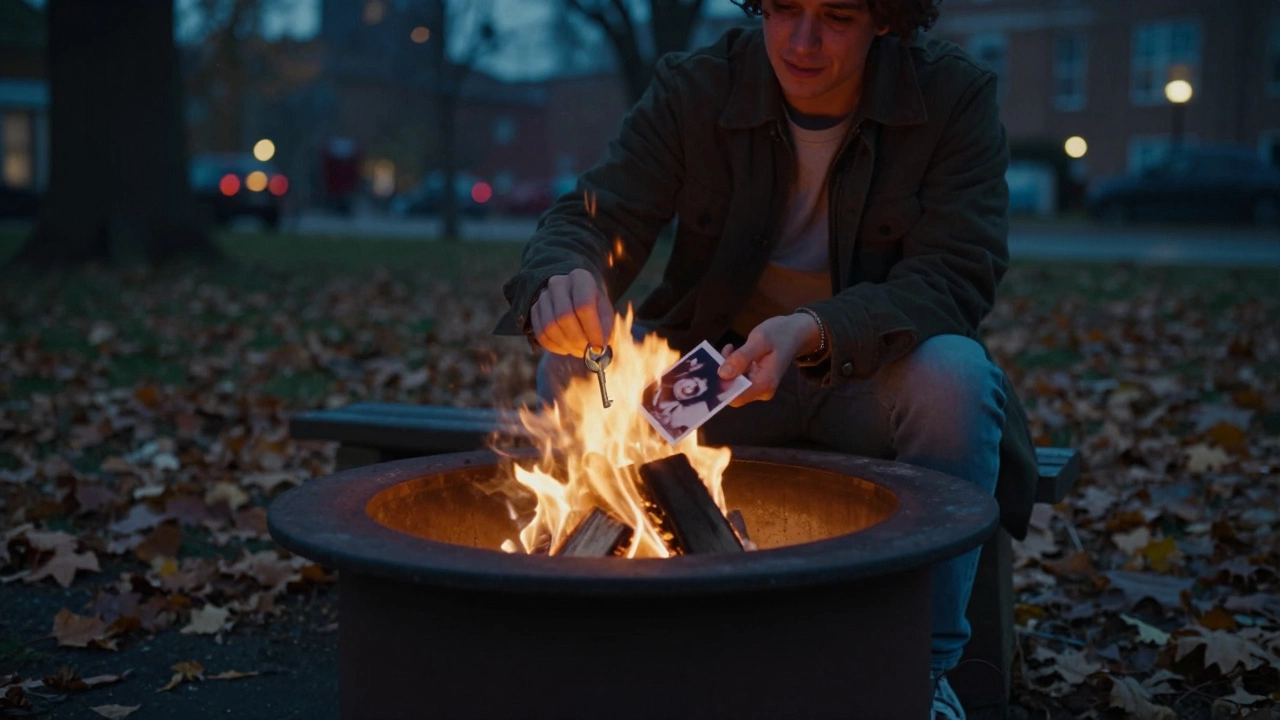
- Use a fire pit. If you have access to one, burn something symbolic. An old receipt. A broken key. A photo of a version of yourself you’re done being. Keep it small. Keep it safe.
- Go to a controlled space. Some cities have community fire ceremonies-especially after trauma or loss. They’re quiet. They’re respectful. And they’re designed for exactly this kind of release.
- Move your body. Run. Punch a bag. Dance like no one’s watching. Physical exertion burns off the same adrenaline that fuels the urge to burn things.
And if you’re in Paris? There’s a quiet corner in the 13th arrondissement where people go to light candles for what they’ve lost. You won’t find it on Google Maps. But if you ask an older local, they’ll point you to a bench under a tree, near a small iron gate. It’s not official. But it’s real. And sometimes, that’s enough. Escort girl paris 13 might be what you find if you’re looking for company, but the silence there? That’s what you really need.
The Hidden Cost of Suppression
Trying to ignore this urge doesn’t make it go away. It just turns it inward. People who bottle it up often end up with chronic pain, insomnia, or emotional numbness. They stop laughing. Stop calling friends. Stop caring about the color of the sky.
One man I spoke to in Lyon burned his entire work laptop after being laid off. He didn’t plan it. He just woke up one morning and did it. He told me, “I didn’t want my job anymore. I wanted to feel like I still had control.” He got a new job two weeks later. But he said the real change happened the moment the smoke cleared.

When It Goes Too Far
There’s a difference between symbolic release and dangerous behavior. If you’re thinking about burning things that hurt other people-if the fire isn’t about you, but about punishing someone else-that’s a red flag. Same if you’re planning it, rehearsing it, or feeling excited about the chaos it might cause.
That’s not catharsis. That’s escalation. And it needs professional support. Not because you’re broken. But because you’re carrying too much alone.
What Comes After the Fire
After the smoke clears, there’s a strange quiet. Not the kind that feels empty. The kind that feels… open.
That’s when you start noticing things you hadn’t before. The way sunlight hits the floor where your old couch used to be. The sound of your own breathing. The fact that you didn’t die when you thought you might.
One woman in Marseille told me she burned her entire wardrobe after a breakup. She didn’t buy new clothes for six months. Instead, she borrowed from friends. Wore thrift store finds. Learned to sew. She said the fire didn’t end her relationship-it ended the version of herself that stayed in it.
That’s the secret no one talks about: destruction doesn’t destroy you. It reveals you.
And if you’re standing there now, wondering if you should light the match-maybe you already know the answer. You don’t need permission. You just need to do it safely. And then, when it’s over, sit down. Breathe. And listen.
Because after the fire, the quiet is where you find yourself again. Escort girl paris 14 might be listed in a directory, but the silence after the flame? That’s the only thing that will stay with you.